Reflections from a conversation with a Big Four futurist
AI can scan thousands of sources, summarize weak signals, cluster trends, and draft scenarios in minutes. Yet many organizations still struggle to turn foresight into action.
Read now →
AI can scan thousands of sources, summarize weak signals, cluster trends, and draft scenarios in minutes. Yet many organizations still struggle to turn foresight into action.
Read now →
In recent roundtable discussions we hosted in Paris, we asked two simple questions: When did your organization get the future wrong, and when did you see change early enough to act?
Read now →
At the recent Innovation Roundtable event in Paris, my colleague Panu Kause and I hosted two discussions with leaders working across strategy, innovation, foresight, risk, and transformation:
Read now →
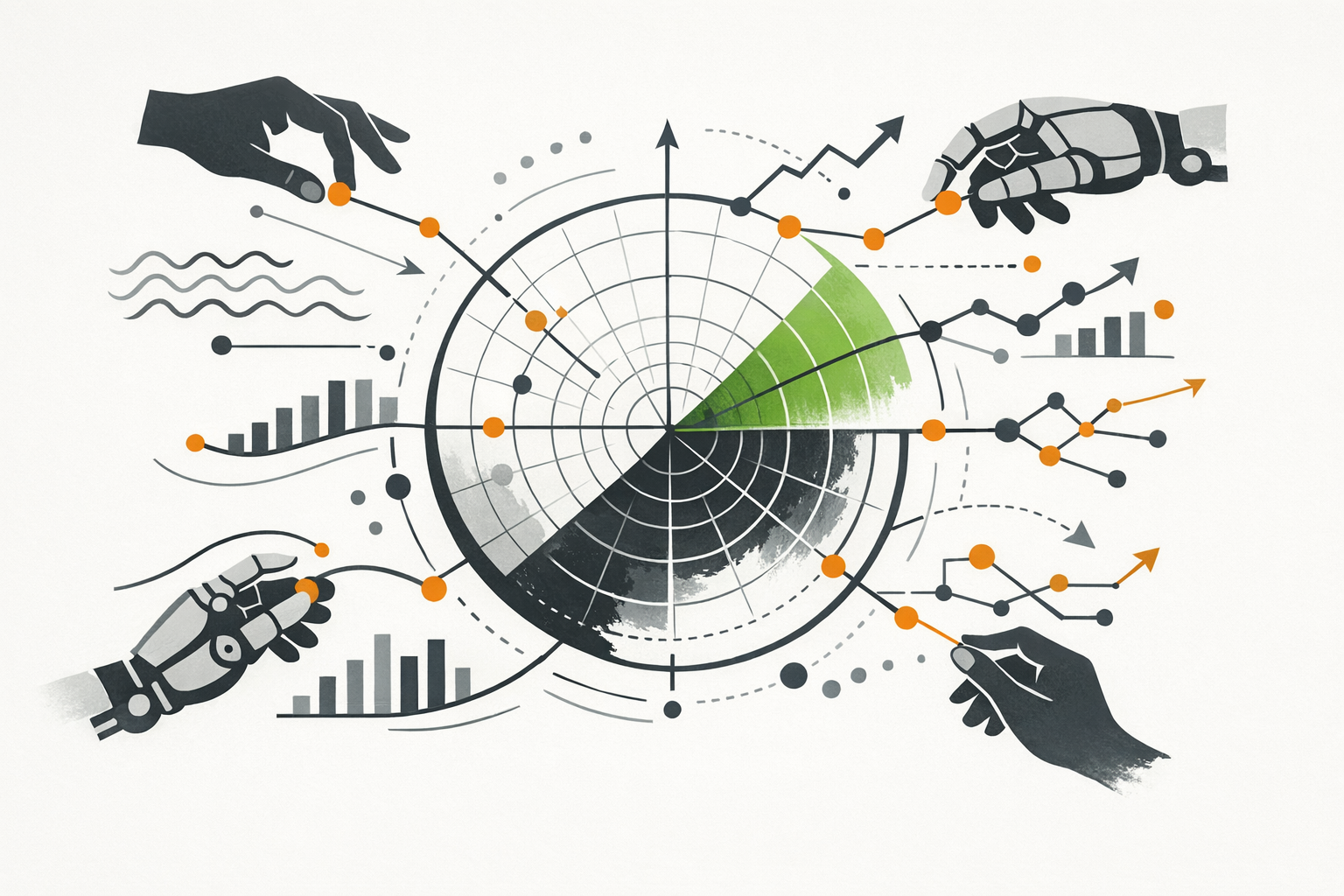
A recent Futures Finland discussion on how AI is changing futures work raised a familiar question for many futurists: What actually changes when AI enters the foresight process?
Read now →
Over the past year, many teams working in strategy, innovation, and foresight have started experimenting with generic AI tools and large language models.
Read now →
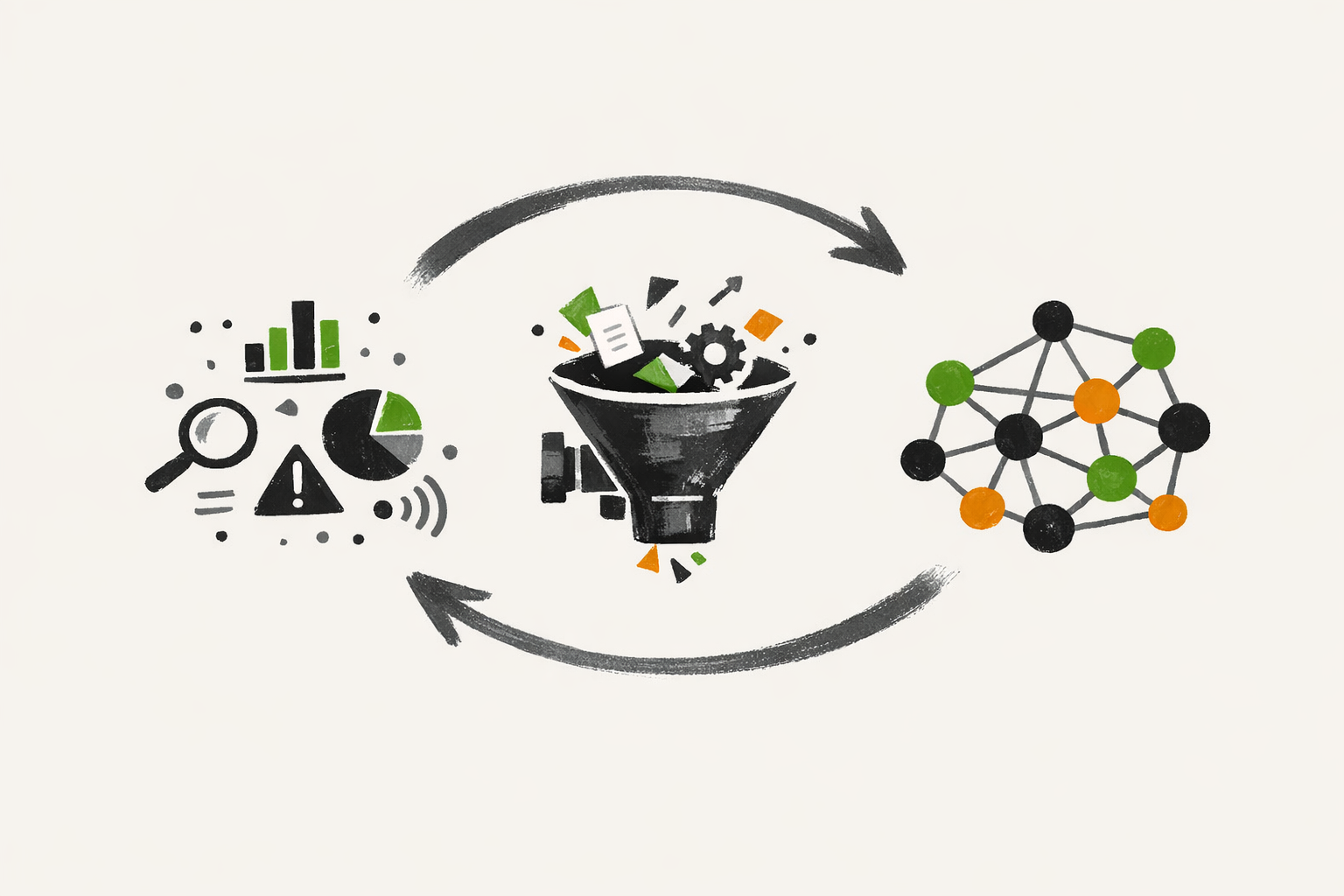
In my previous post, I described a pattern I see often: foresight work that is active, structured, even high quality, and yet, it doesn’t lead to better decision when ignored. In this one, I’ve tried to go deeper into how we could move from foresight data into futures knowledge, as knowledge becomes part of decision-making when produced and used together.
Read now →
Is your foresight stuck in handoffs? Do your leaders make strategic decisions based on the past? Let's get back to basics for a bit.
Read now →
I keep hearing the same concern from foresight, strategy, and innovation leaders: expectations go up, headcount does not.
Read now →
If your foresight output lives in one “final_v7” slide deck and five spreadsheets, you are probably not behind on thinking. You are behind on system.
Read now →