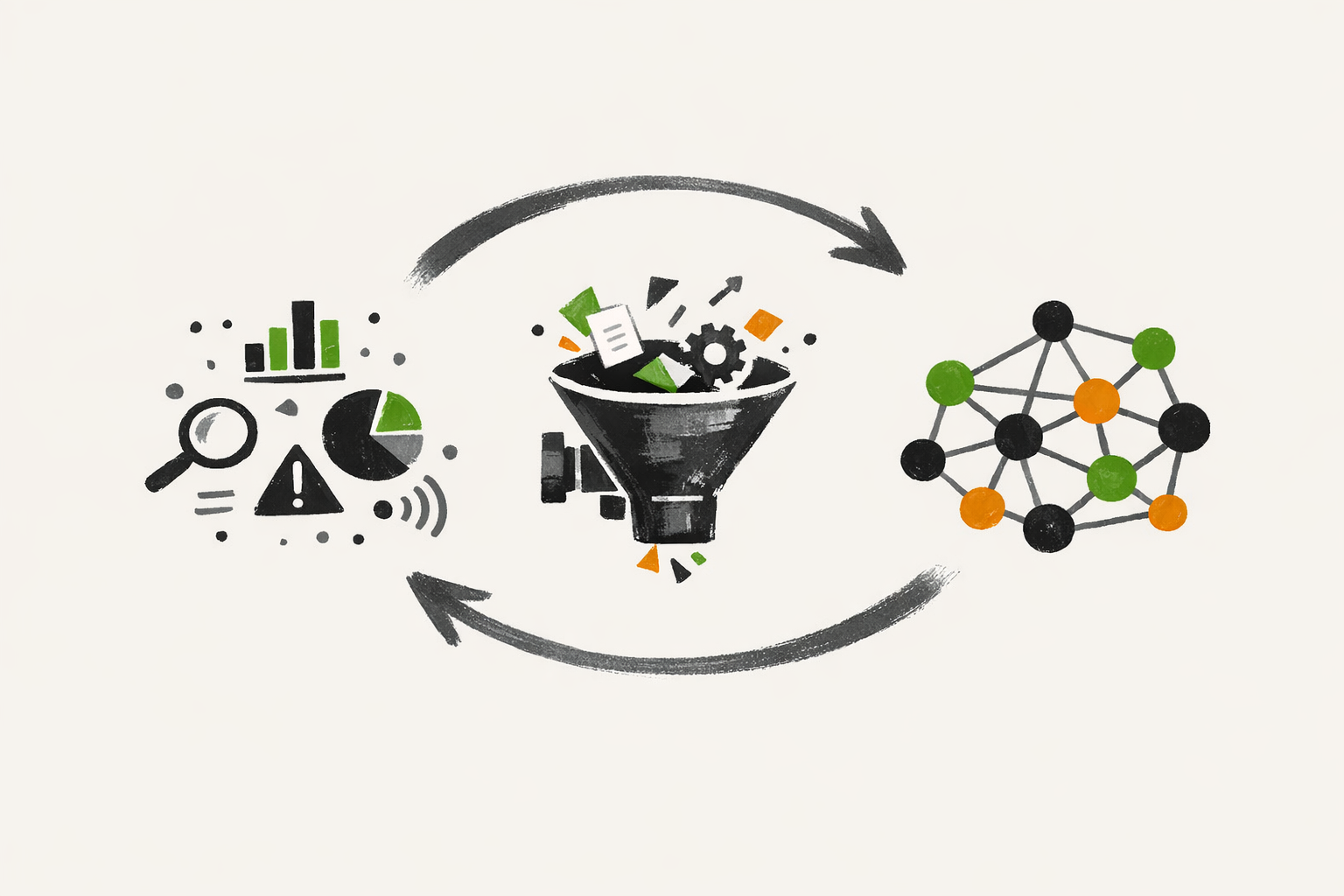
Is your foresight stuck in handoffs? Do your leaders make strategic decisions based on the past? Let's get back to basics for a bit.
Read now →Why good foresight gets ignored
Is your foresight stuck in handoffs? Do your leaders make strategic decisions based on the past? Let's get back to basics for a bit.
Read now →
Many organizations say they want to “start foresight” and ask for assistance or advice. They scan trends, build reports, facilitate workshops, and publish future-related presentation decks. Yet, when critical decisions are made under pressure, those foresight insights often fail to be mentioned in the room. “It is not reliable” is the persisting opinion, an opinion often expressed behind the scenes.
Read now →
Presentation slides are not the enemy of sustainable foresight, but they can create a perception of “final delivery”, whereas the main benefits are received only after the discussions and decisions made on the topics introduced via slide set.
Read now →
Organizations often say they “do foresight.” What they usually mean is that they collect trends, build or purchase scenario reports, and run ad-hoc foresight workshops—either internally or with the help of consultants—but only when they have the time and resources. It is not unusual for foresight to be treated as something you do when you have spare capacity, or merely to tick a box on a long to-do list crowded with other priorities. Worse still, it is sometimes pursued only after a crisis has already struck and caused damage.
Read now →