Reflections from a conversation with a Big Four futurist
AI can scan thousands of sources, summarize weak signals, cluster trends, and draft scenarios in minutes. Yet many organizations still struggle to turn foresight into action.
Read now →

AI can scan thousands of sources, summarize weak signals, cluster trends, and draft scenarios in minutes. Yet many organizations still struggle to turn foresight into action.
Read now →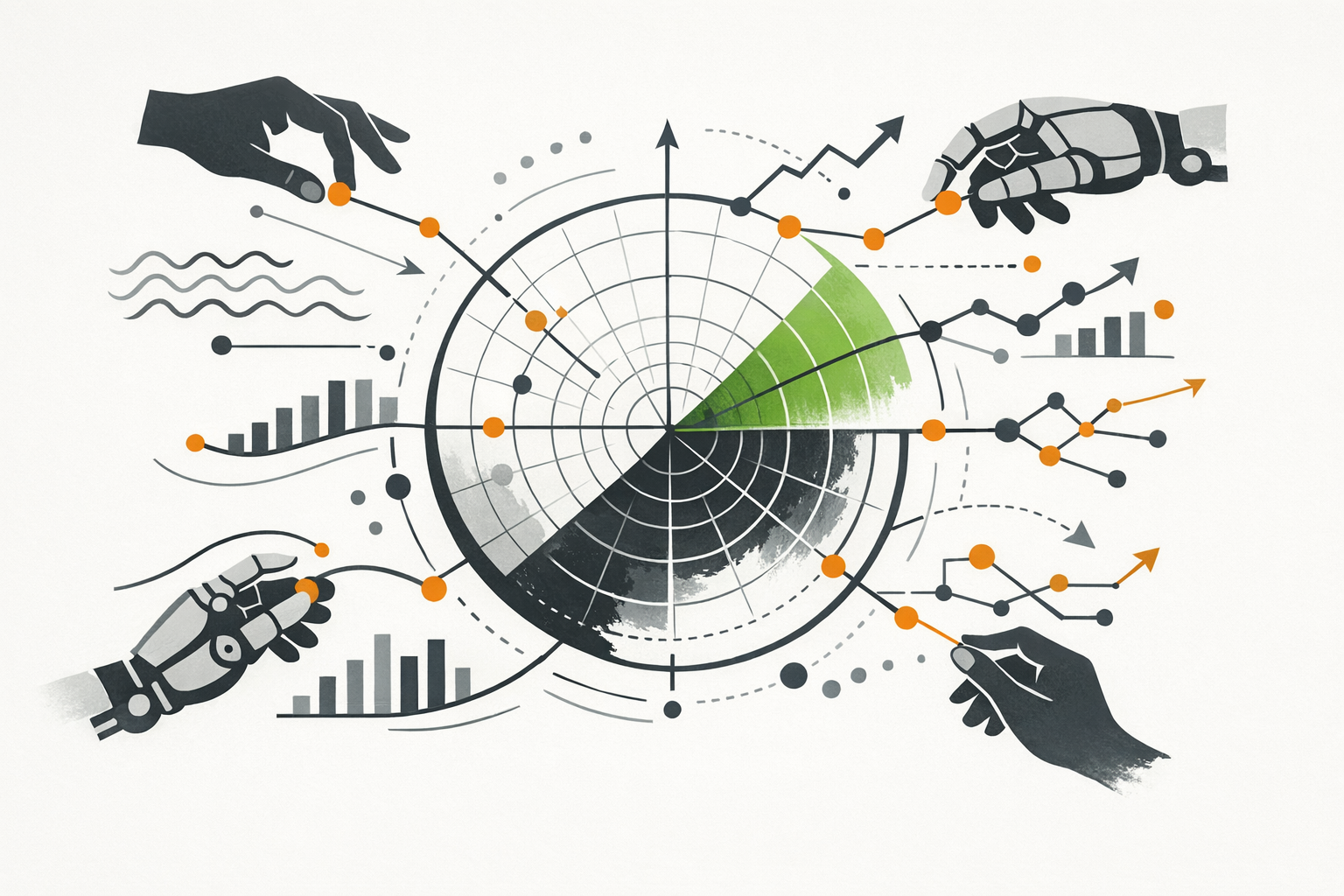
Over the past year, many teams working in strategy, innovation, and foresight have started experimenting with generic AI tools and large language models.
Read now →
If your foresight output lives in one “final_v7” slide deck and five spreadsheets, you are probably not behind on thinking. You are behind on system.
Read now →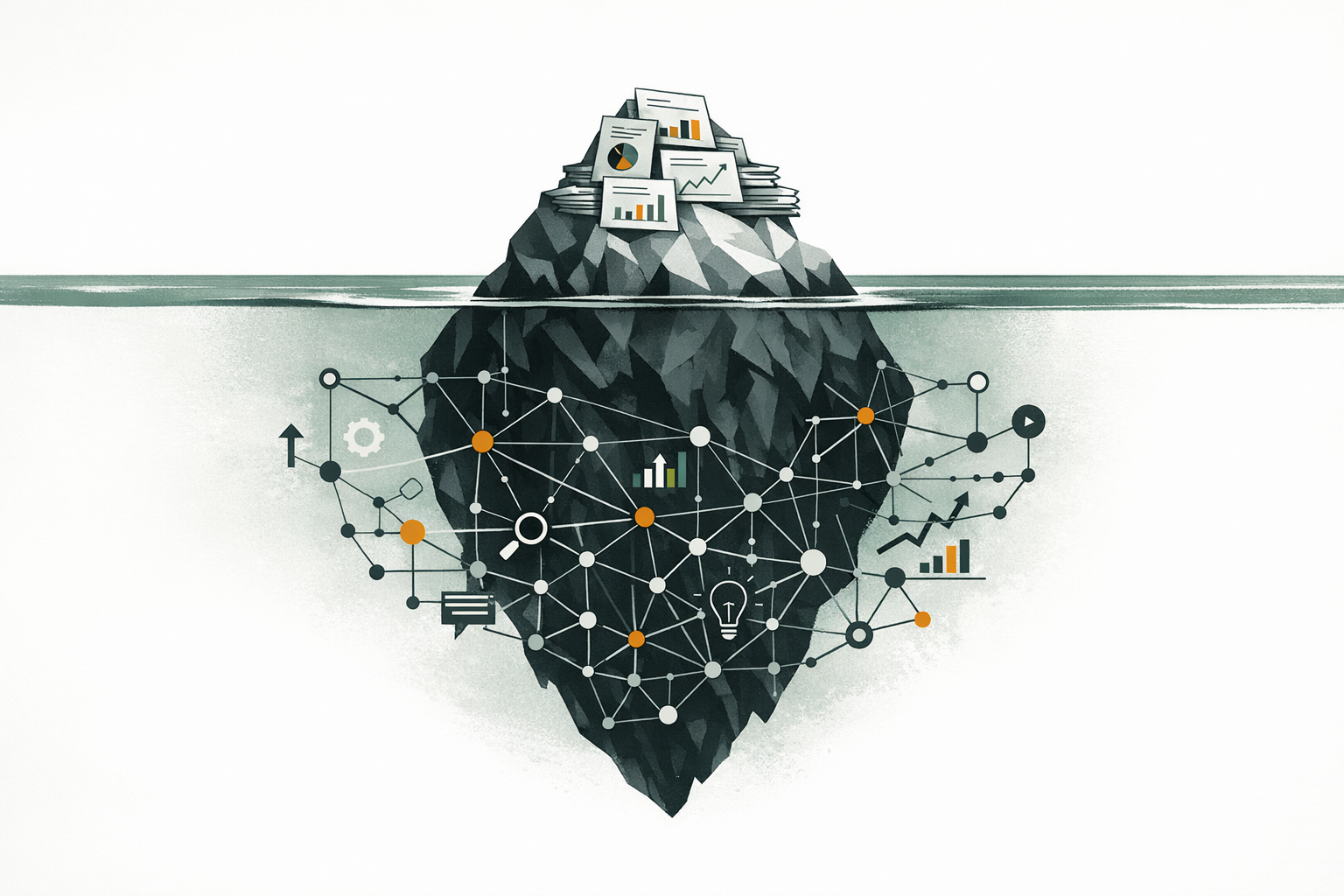
When multiple people contribute to foresight and you are still running it in decks and spreadsheets, alignment quietly becomes your full-time job.
Read now →
In many strategy conversations, someone eventually says something like: “The future of our industry is clearly heading toward X.” At that moment, something subtle happens in the room. The conversation narrows. The discussion shifts toward confirming that one direction. Alternatives quietly disappear and we start to assume one option for the future.
Read now →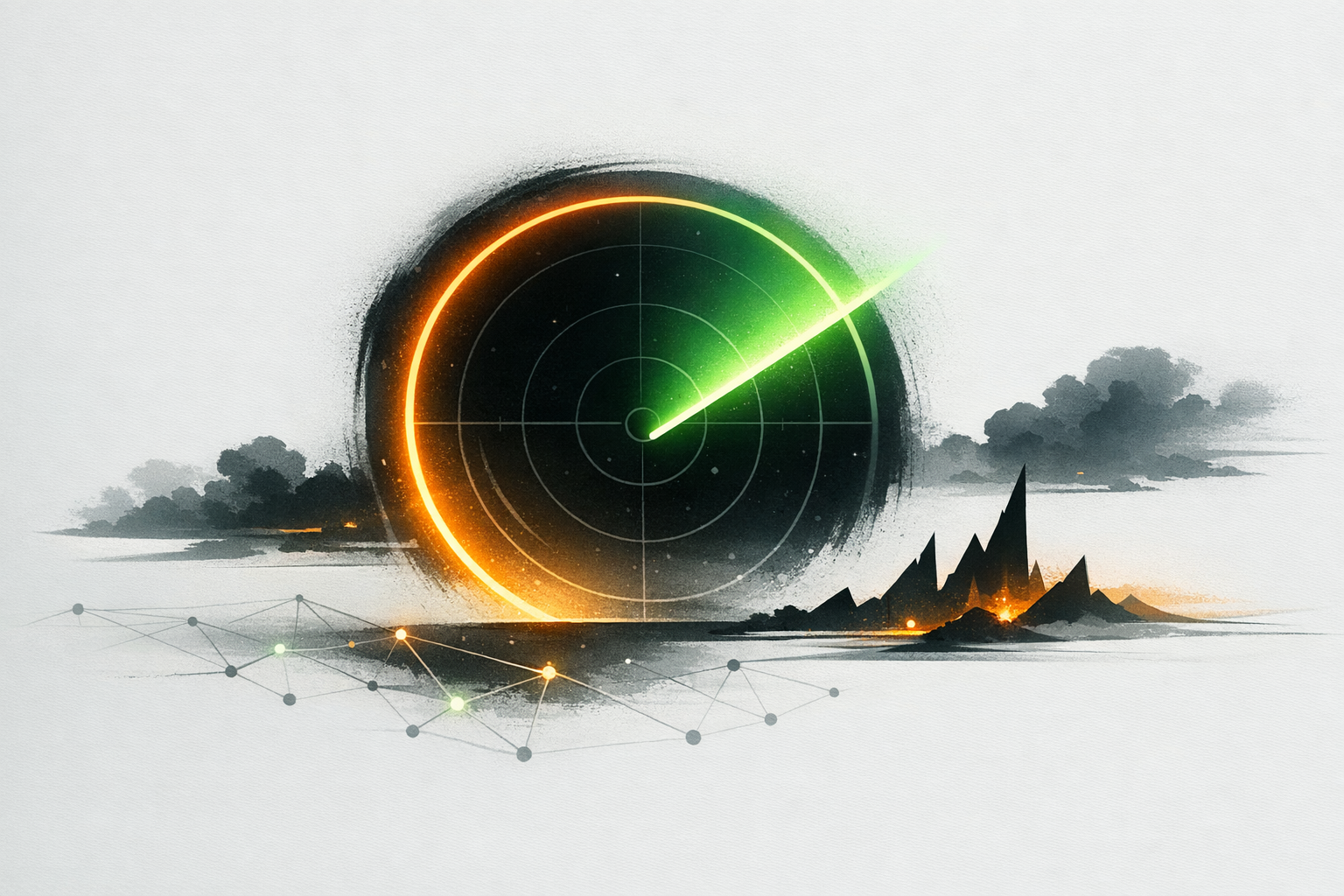
Traditional risk management is built to manage what is already known. Risk registers capture risks whose impacts and likelihoods can be estimated based on historical data, past experience and existing categories.
Read now →
Most teams assume they will know when it is time to upgrade their foresight setup. They expect a dramatic moment: a missed disruption, a boardroom surprise, a strategic bet that aged badly. However, it is usually much quieter than that.
Read now →
(or why being “right” about the future is the wrong goal)
Read now →
The foresight radar has become one of the most recognizable tools in futures work. Done well, it’s more than a visualization, it’s a living map of what could shape our tomorrow.
Read now →