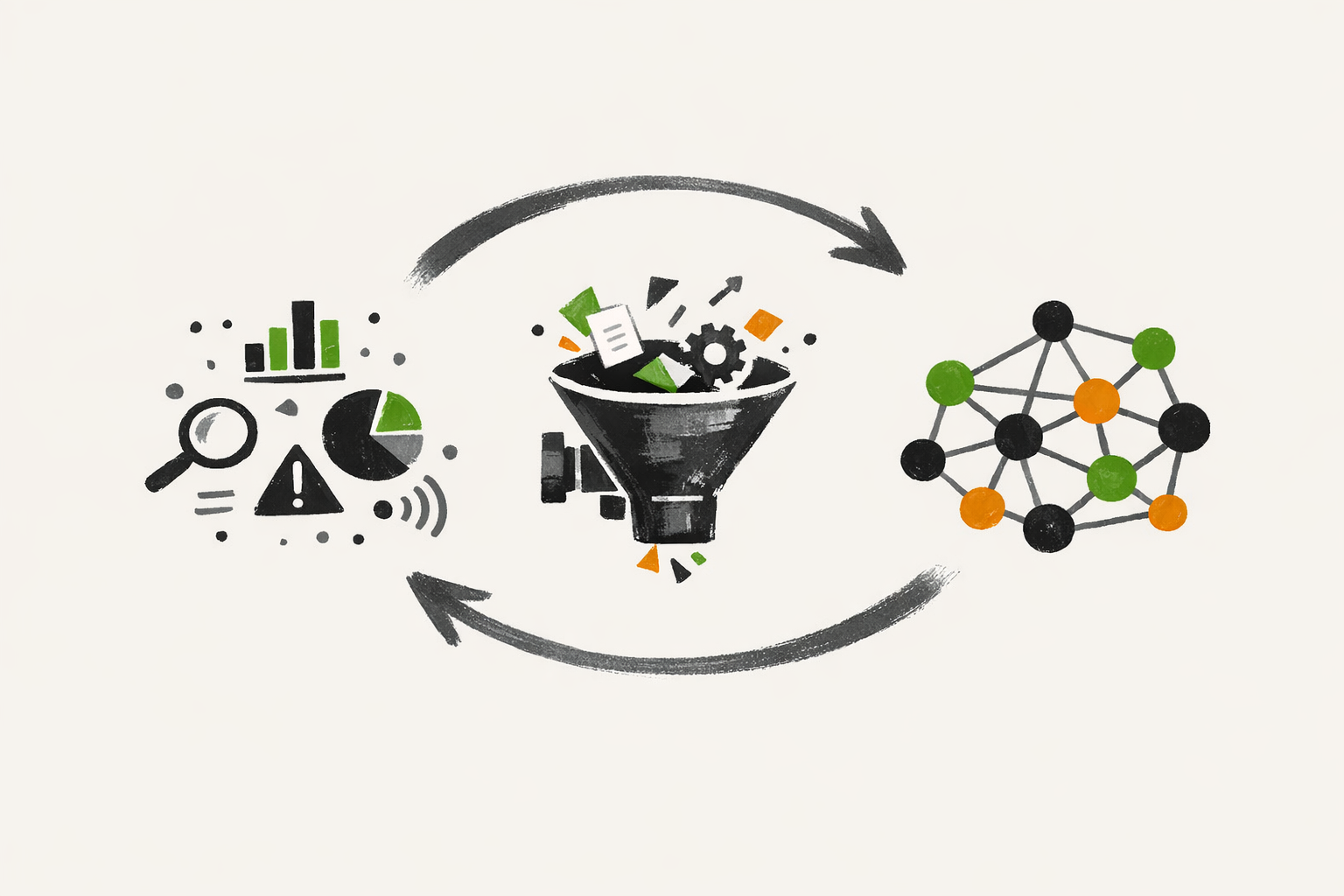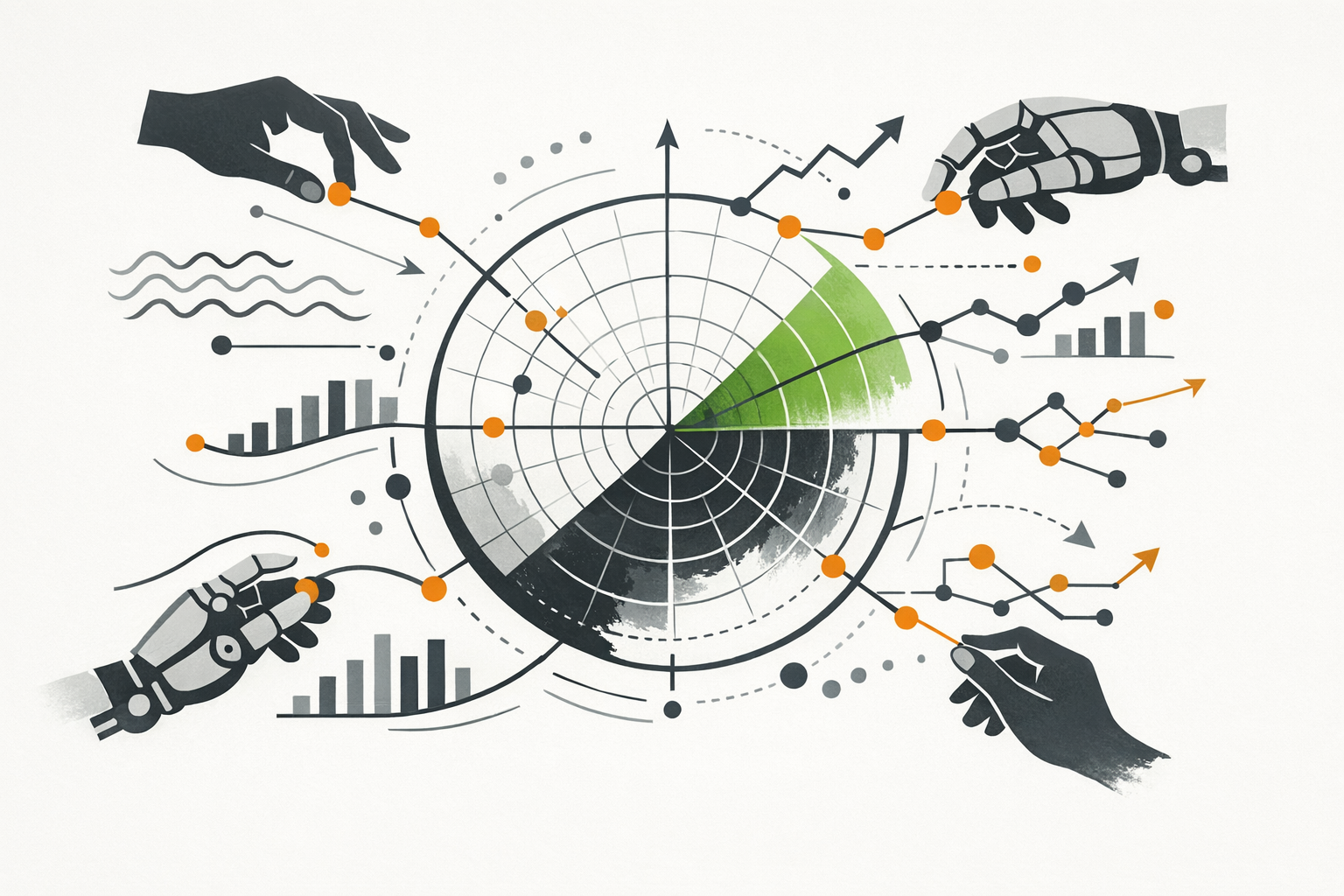
Organizations often say they “do foresight.” What they usually mean is that they collect trends, build or purchase scenario reports, and run ad-hoc foresight workshops—either internally or with the help of consultants—but only when they have the time and resources. It is not unusual for foresight to be treated as something you do when you have spare capacity, or merely to tick a box on a long to-do list crowded with other priorities. Worse still, it is sometimes pursued only after a crisis has already struck and caused damage.
Read now →How to build a minimum viable foresight system in 30 days