
Avoid the “AI did it” trap in foresight
AI is transforming strategic foresight. What once took weeks of horizon scanning, signal collection, and trend analysis can now happen in hours. AI can scan thousands of sources, surface weak signals, and draft early descriptions of emerging trends.
That speed is powerful. But it introduces a subtle risk: If teams treat AI outputs as finished foresight deliverables, they fall into what Panu Kause, CEO of FIBRES, calls the “AI did it” trap.
The result is familiar: Polished reports. Little ownership. And very little strategic impact. So, how can we fully take advantage of the new technologies while avoiding such traps?
The promise and the pitfall of AI in foresight
AI is rapidly reshaping futures intelligence and horizon scanning workflows. Today AI can help teams:
-
Scan large volumes of global publications, research, and patents
-
Surface weak signals and emerging trends
-
Draft summaries of technologies and phenomena
-
Suggest early clusters that may evolve into trends
For foresight teams this is a major relief. Much of the mechanical work that once consumed days of effort can now be automated. That frees time for the work that actually creates value: interpreting signals, debating implications, connecting change to strategy, innovation, and risk decisions.
But speed can also create a dangerous illusion. If a report looks finished, it becomes very easy to treat it as finished. That is where the trap begins.
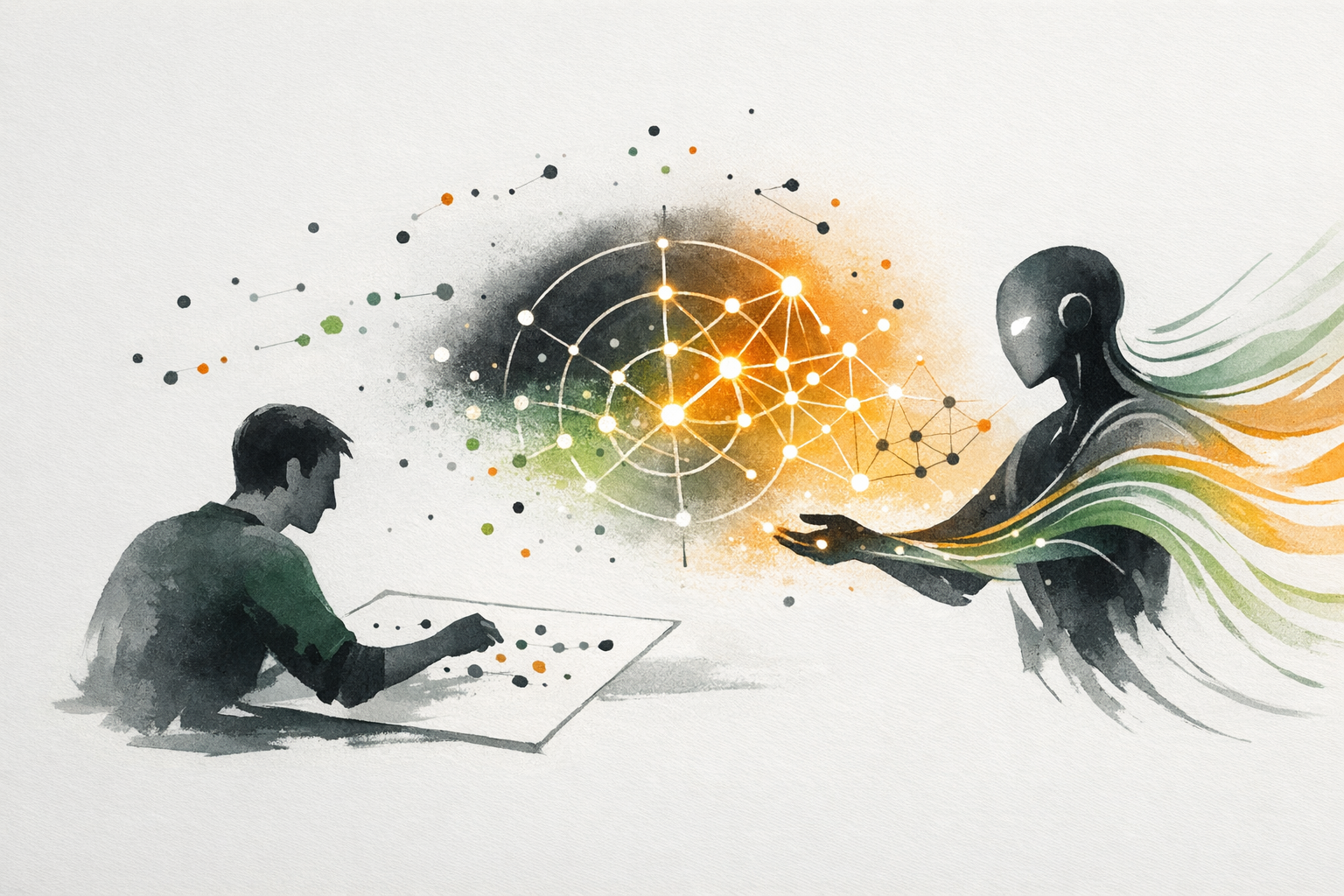
As Panu explained in a recent webinar: “You shouldn’t think of AI results as the end of foresight. They’re a starting point for engagement and sense-making.” AI can prepare the material, but foresight only becomes valuable when people engage with the insights together.
Why ownership matters more than outputs
Many organizations still think foresight is about producing reports. But experienced foresight professionals know that the real value lies somewhere else.
The value is in the process. The conversations. The workshops. The debates that force people to challenge their assumptions about the future. These interactions create shared understanding of change. And shared understanding creates ownership that ultimately drives action.
A foresight report that arrives fully formed, especially if it looks like it came from a black box, rarely changes decisions on its own. It might be interesting or visually impressive. But it rarely shifts strategy.
Insights that people have helped shape themselves behave differently. As Panu put it, “it’s significantly different to be part of building something new than to be handed a report written by AI.”
When people participate in building foresight, they defend the insights. They refine them. And they use them when real decisions are made.
The real danger of the “AI did it” trap
The “AI did it” trap undermines foresight in two important ways.
First, it reduces learning. When teams skip the process of engaging with signals themselves, they lose the chance to build intuition about change.
Over time that intuition is what separates experienced foresight practitioners from automated dashboards. Without it, foresight becomes shallow.
Second, it weakens trust. Strategic decisions require defensible assumptions. If leadership asks a simple question like “why does this trend matter?” and the answer is “the AI suggested it”, credibility quickly disappears.
Leaders want to see where the insight came from, which signals support it, and how the signals connect to larger patterns of change. This is what turns foresight into evidence based strategic intelligence.
The risk becomes even larger when individuals work with AI tools in isolation. “If individuals just chat with their AI tools in silos, where is the shared learning?” asked Panu. Without collaboration, foresight becomes fragmented and disconnected across teams.
AI should accelerate foresight, not replace sensemaking
The most effective organizations treat AI as an accelerator for foresight workflows, not a replacement for them.
AI can handle large scale scanning and structuring work such as:
-
continuous AI horizon scanning
-
discovering weak signals across large data pools
-
drafting early trend summaries
-
suggesting connections between signals
Humans then focus on what AI cannot do well: understanding meaning, debating implications, connecting signals to strategy, and building narratives about possible futures.
This creates a powerful hybrid model where AI provides scale and humans provide meaning. When these roles are combined well, small foresight teams can dramatically expand their impact without sacrificing rigor.
How to avoid the “AI did it” trap
If your organization is introducing AI into trend monitoring or horizon scanning, a few simple practices can prevent the trap.
1. Frame before you scan
Start with the strategic question. Before scanning begins, align stakeholders around:
-
the decision you want to inform
-
the uncertainties you want to explore
-
the time horizon you care about
This ensures scanning supports real strategic foresight, not random trend hunting.
2. Treat AI outputs as drafts
AI generated summaries and trend suggestions should always be treated as starting points. Bring them into foresight workshops, strategy discussions, and innovation reviews.
Let stakeholders challenge them and refine them. The goal is not to accept the AI output. The goal is to build a stronger shared interpretation of change.
3. Make signals and evidence visible
Transparency builds trust. When trends are linked to real signals such as articles, research findings, patents, and policy changes, stakeholders can see the evidence behind the insight.
This traceability transforms foresight from speculation into credible strategic intelligence.
4. Turn foresight into a shared system
The most future ready organizations treat foresight as a continuous capability. This means:
-
capturing signals continuously
-
organizing them into structured trend libraries
-
linking signals to emerging trends
-
visualizing change through trend radars and networks
Over time this creates a living organizational memory of change. And that is where foresight starts to compound in value.
All of the above is why we decided to build foresight-first AI workflows directly into FIBRES. That is the only way to embrace these new technologies that enable scaling foresight processes while keeping the practices intact. With generic AI solutions you might be risking it all.
From AI outputs to strategic impact
AI can remove many of the bottlenecks that historically slowed down foresight work. But faster outputs do not automatically create impact. Impact comes from shared understanding.
When teams interpret signals together, challenge assumptions, and connect insights to real decisions, foresight stops being a specialist activity. It becomes a strategic capability across the organization.
This is the real promise of combining AI powered horizon scanning with collaborative sensemaking.
Key takeaways for foresight leaders
AI can dramatically improve foresight workflows. But only if teams avoid the “AI did it” trap.
To keep foresight meaningful and influential:
-
treat AI results as starting points rather than finished deliverables
-
build shared ownership through workshops and collaboration
-
keep foresight transparent and evidence based
-
use systems that support traceability and collective sensemaking
Because foresight only changes decisions when people own the insights. Not when “AI did it”.
If you want to see how organizations combine AI horizon scanning, shared signal libraries, and collaborative trend radars, you can explore how teams use FIBRES to turn scattered signals into shared futures intelligence.
Or book a short demo and see how your team could build its first living foresight radar in less than an hour.

Dani Pärnänen The Chief Product Officer at FIBRES. With a background in software business and engineering and a talent for UX, Dani crafts cool tools for corporate futurists and trend scouts. He's all about asking the right questions to understand needs and deliver user-friendly solutions, ensuring FIBRES' customers always have the best experience.
Stay in the loop
Get our latest foresight tips delivered straight to your inbox. You may unsubscribe from these communications at any time.